
Your "Normal Life" is Worth a Lot to Data Brokers
Knowing what you do, where you go, and who you’re with is very valuable to corporations.
If you’ve ever said/thought/commented something like:
- “I don’t have anything to hide, so I don’t care if they take my data”
- “I’m just a boring person what are they gonna do with my data?”
- “There’s nothing interesting about my data, so, whatever”
…then you aren’t alone; a lot of people say this. But the truth is, an average “nothing-to-hide” life is incredibly lucrative to the right people.
I’ve used the same iPhone for four years. It has 36 apps installed:
- 16 from Apple / stock on the phone
- 8 from Proton and Signal
- 2 for public transit systems
- 3 for parking meters, which is absurd
- 1 media app
- 1 internet browser
- 5 other various utility applications
I have locked down this phone as much as I possibly can by removing superfluous apps with trackers, opting for privacy-respecting and encrypted programs where possible, and setting up do-not-track requests. I even went through the settings with a fine-tooth comb turning off every possible location request that wouldn’t render my phone a brick unable to contact cell towers.
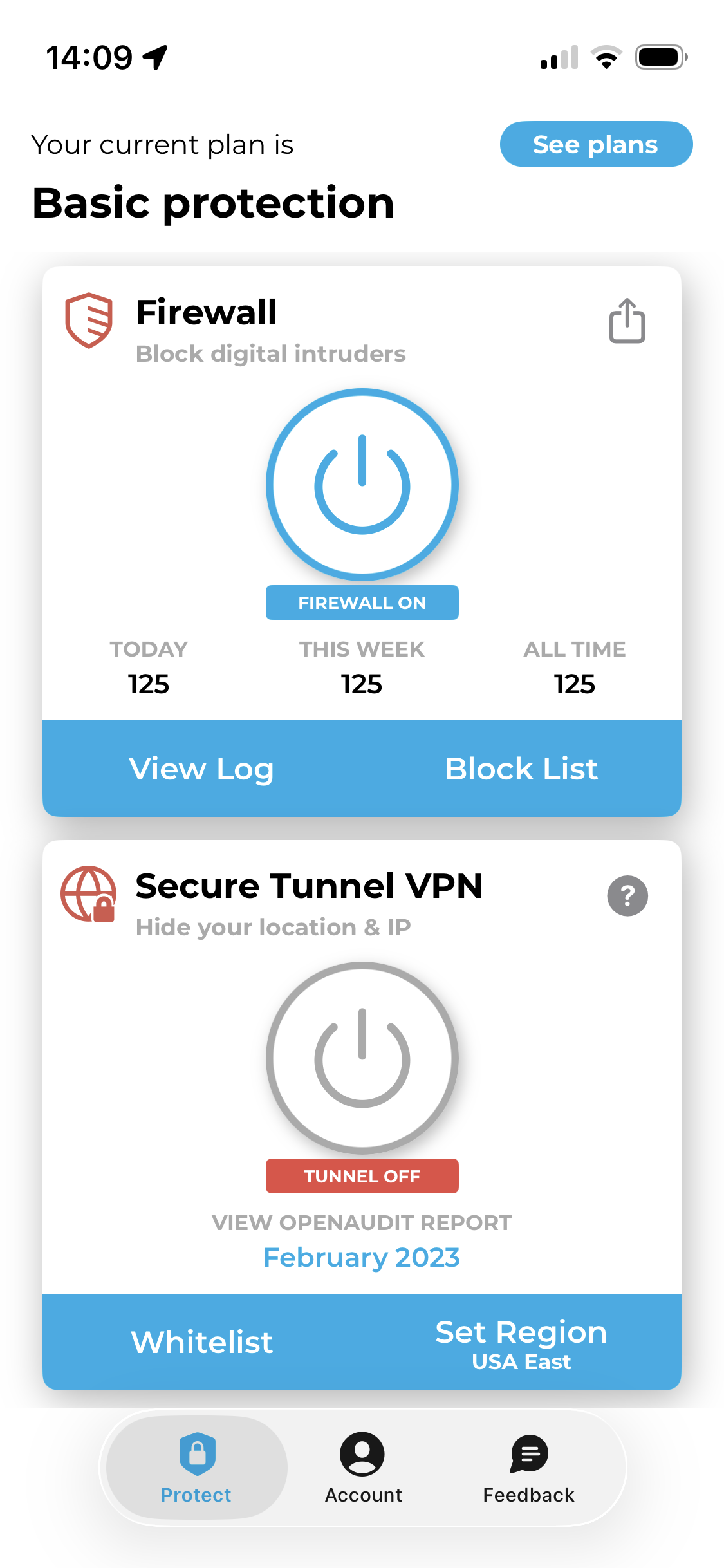
This morning, I installed an app that monitors when an app pings a known tracker. It’s now mid-afternoon, and I’ve barely used this phone today. We’re up to 125 tracking requests.
At the same time, I was actively using another phone that I’m testing. It’s a refurbished Pixel with open source GrapheneOS installed. There are 40 apps on this phone:
- 16 stock/phone management apps
- 4 map and transit apps
- 2 media apps
- 8 Proton and Signal apps
- 2 notes/docs apps
- 1 translation app
- 1 internet browser
- 1 YouTube client
- 1 Google app (Messages, not logged in)
- 3 other various utility apps
Through the morning I opened up mapping apps, checked train routes, listened to podcasts, watched a YouTube video, searched for things online, sent RCS and Signal messages to friends, checked my email, and installed an eSIM.
I monitored the tracker pings on this device, too. There were a whopping 13 of ‘em.
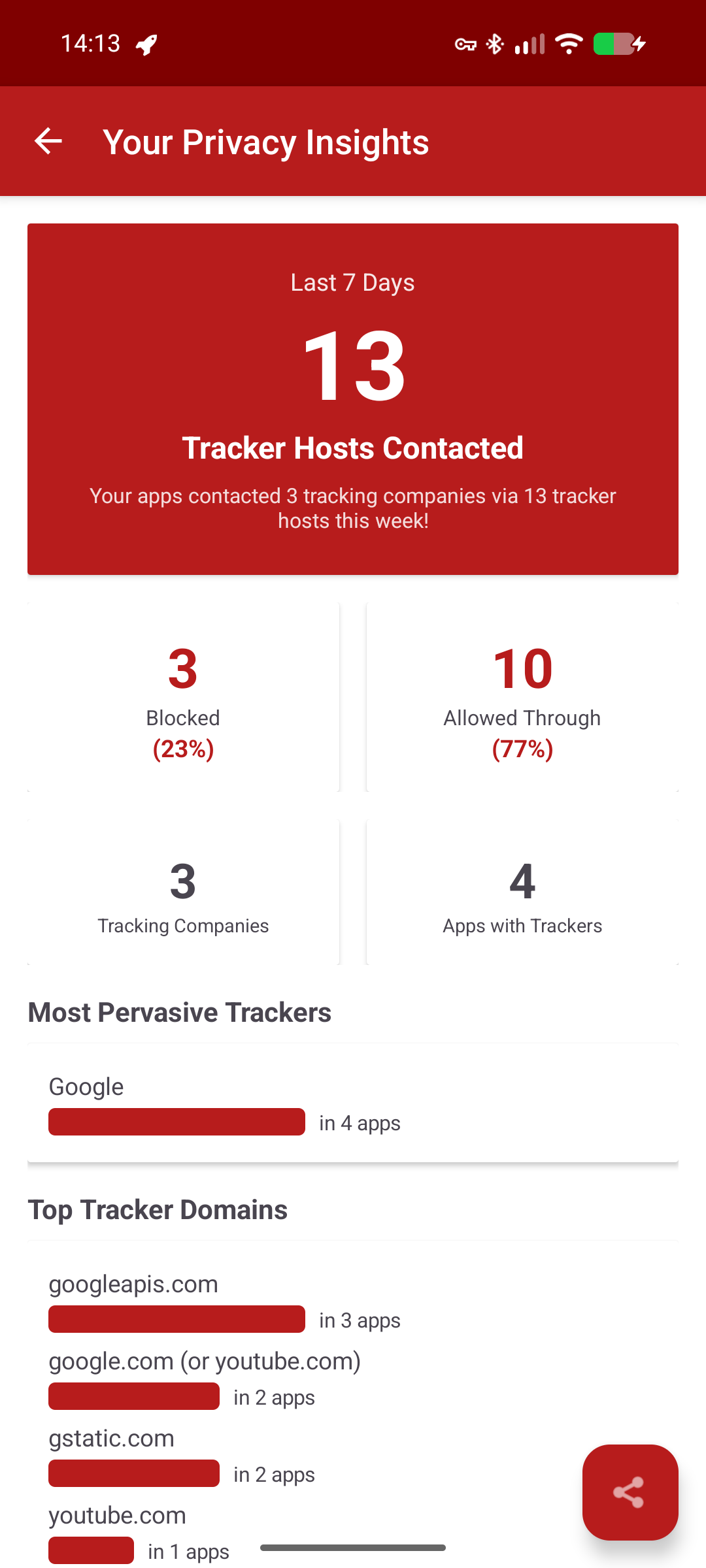
Both phones pinged content delivery networks (CDNs) and Firebase, which is used to deliver push notifications. And I expected my phone to contact YouTube when I was watching a YouTube video. But my iPhone contacted far more, including for several ad platforms:
- DoubleClick
- Amazon adsystem
- Outbrain
- TripleLift
- Innovid
- OpenX
- Adnxs
It also contacted Scorecard Research and Google Analytics (I expected that one).
My screen time on the iPhone so far? 37 minutes.
I’ve had iPhones for so long for three big reasons:
- I’ve had Mac computers since college
- It seemed like the “lesser evil” compared to Google’s tight fist on readily-available Android phones
- Apple doesn’t allow carrier bloatware on their phones (I don’t know how it is everywhere, but in the U.S., if you buy an Android phone from your phone carrier, it can come with various apps installed, including games, that you can not easily uninstall)
But as I’ve started to become more focused on my digital privacy over the past few years, I realized there were some other options that would give me more freedom from constant tracking. At this point, I’ve:
- Deleted all of my non-work social media accounts
- Largely stopped using Google products (I do use YouTube, and I have to maintain Google Search Console and Google Drive access for my business clients)
- Begun the shift to using alternative video calling platforms like Whereby and Proton Meet
- Asked friends and family to join me in Signal chats
Am I still tracked at all? Sure. Companies gather data on each and every one of us from all kinds of sources—the credit card purchases we make, the flights we take, and so forth.
But your actions online (and in internet-connected apps) are a big way in which a consumer profile is built around you. This profile then influences what ads you see, the kind of direct mail you get, and even what prices you’re given at some stores.
So yeah, your “average Joe” data is very financially valuable to companies that want to sell you products or charge you a certain price because it’s predicted that you REALLY NEED the specific thing you’re shopping for.
This isn’t to say you have to go off-grid. I haven’t. But it does mean that it’s worth a second thought when engaging with Big Tech platforms…and taking some steps to keep your “just an average person” data safer.